

Carbon Credit Exchange
Carbon credits are not only part of a global effort to reduce greenhouse gas emissions and combat climate change, they are also an investment opportunity that can yield significant financial returns. However, there are certain risks associated with this type of investment that investors should be aware of.
A major risk of investing in a carbon credit exchange is the potential for fraud. This can occur when individuals or businesses try to take advantage of others by selling or transferring fraudulent credits. As such, it is important to understand the different types of carbon credit fraud and how to avoid it.
Another major risk of investing in a carbon credit market is the volatility in prices. This can be a result of changes in global policy or regulatory issues that affect the demand for carbon offsets. For example, if governments around the world decide to lessen their stringent emission targets, the demand for carbon credits would decrease, which could lead to a drop in price. Finally, there is the risk of a lack of liquidity in the carbon credit market. This can make it challenging for investors to sell their carbon credits when they want to do so, which can cause them to lose money on their investments.
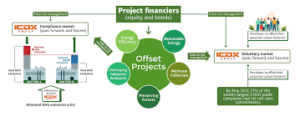
Risks of Investing in a Carbon Credit Exchange
Investors should carefully consider all of the above risks before making an investment in a carbon credit exchange. By taking the time to research the market, consulting with experts and investing through a trusted platform or broker, they can minimize their risk and increase their chances of receiving a high return on their investment.
One of the main reasons why carbon credit investments have accelerated over the past year is due to the rise in corporate net-zero goals. These initiatives aim to meet the Paris Agreement goal of limiting global warming to 1.5 degrees Celsius above preindustrial levels. The growth of the voluntary market is also driven by investor interest in the potential for high-quality, permanent carbon offsets from projects that would have occurred anyway.
A key challenge for the carbon credit industry is the need to improve quality assurance. This includes establishing accounting methodologies that are specific to project type, independent verification and a registry system. These measures are intended to help buyers have confidence that the credits they purchase are legitimate. They are also designed to protect against fraud, such as when unscrupulous sellers retire credits on behalf of multiple clients or misrepresent the quality of their products.
Another major challenge is that carbon markets are evolving rapidly, so it’s important to stay up-to-date on the latest trends and technologies. This will allow investors to stay ahead of new developments and better assess the value of their carbon credits. It’s also a good idea to create a buffer for non-delivery or reversal by purchasing more credits than needed, ideally from projects that don’t have reversal risks, such as technology-based carbon removal or forest conservation. This way, if there is a problem with some of the purchased carbon credits, there will still be enough to meet your company’s climate goals and other commitments.