

B2B market include government contracts
As a market, business-to-business (B2B) includes every commercial transaction between businesses, whether they involve products or services. This is a broad market that encompasses everything from software to consulting, and covers industries such as manufacturing, technology, insurance, marketing and advertising, finance, healthcare and real estate. It even extends to food services and retail.
The B2B market also incorporates government contracts, known as business-to-government (B2G). Government agencies at the local, state and federal levels award billions in contract dollars each year. It is important for any small business to understand how to pursue these opportunities, as they are a vital source of income.
There are four main categories of B2B buyers: producers, resellers, institutions and governments. Producers are businesses that buy raw materials, components and parts to use in the production of other goods or services. For example, an electronic component manufacturer sells to other manufacturers that use those chips to create printers and mobile phones, which are then sold to consumers.
Reselling companies, such as wholesalers and distributors, sell goods to end users – typically at lower prices than they would cost in stores. They are a key part of the economy and provide access to a wide range of products for businesses.
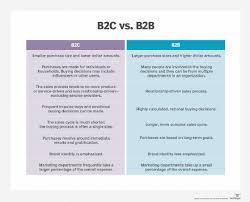
How does the B2B market include government contracts?
Institutions, which include schools, universities, hospitals and religious organisations, generally have a specific mission or societal role, and are therefore required to purchase certain products and services that aid their functions. These buyers often have a set budget and require specialised products. Marketing to these buyers requires a thorough understanding of their needs and how your products can help them fulfil their duties and serve their communities.
Governments are a unique and complex segment of the b2b market includes. In addition to the usual buying process, these buyers are impacted by laws and regulations that protect them from vendors, which can add an extra layer of complexity to the sales and marketing processes. They may also require additional documentation, such as Material Data Safety Sheets or a detailed breakdown of products and their individual components, which can lead to longer sales cycles than in other B2B markets.
For these reasons, it is critical for any B2B seller to understand how to approach the government marketplace. The good news is that the market is vast, and there are opportunities to be had by small businesses. However, it is also important to focus on those opportunities that make the most sense for your business and are the best fit for its capabilities. The process of pursuing these opportunities can be long, and requires extensive research to ensure you are familiar with the various procedures, requirements and deadlines. It is also essential to build relationships along the way. For these reasons, it is recommended that you seek the help of a knowledgeable and experienced B2B marketing agency to guide you through the process. They can help you to identify the best markets, understand the buying process and develop a strategy to win those contracts.