

Printed circuit board assembly companies contribute to energy efficiency
Printed circuit board (PCB) assembly companies play a significant role in contributing to energy efficiency across various industries. Energy efficiency has become increasingly important in recent years due to growing concerns about environmental sustainability, resource conservation, and energy consumption. PCB assembly companies contribute to energy efficiency through various strategies and initiatives, including the adoption of efficient manufacturing processes, the development of energy-efficient electronic devices, and the incorporation of renewable energy technologies.
One of the primary ways in which PCB assembly companies contribute to energy efficiency is through the adoption of efficient manufacturing processes. By investing in advanced equipment, automation technologies, and process optimization initiatives, companies can reduce energy consumption, minimize waste, and improve overall efficiency in PCB production. For example, automated assembly equipment and robotic systems optimize energy usage by streamlining production workflows, reducing idle time, and maximizing resource utilization. Additionally, energy-efficient lighting, heating, and cooling systems in manufacturing facilities help further reduce energy consumption and environmental impact.
Moreover, printed circuit board assembly companies contribute to energy efficiency by developing energy-efficient electronic devices. As electronic devices become increasingly pervasive in everyday life, there is a growing demand for products that consume less energy and operate more efficiently. PCB assembly companies play a crucial role in designing and manufacturing electronic components and assemblies that meet stringent energy efficiency standards and regulations. By optimizing designs for power consumption, implementing energy-saving features, and leveraging advanced technologies such as low-power components and power management circuits, companies can help reduce energy usage and extend battery life in electronic devices.
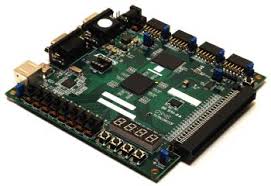
Does Printed circuit board assembly companies contribute to energy efficiency?
Furthermore, PCB assembly companies support energy efficiency by incorporating renewable energy technologies into their operations and products. Renewable energy sources, such as solar, wind, and hydroelectric power, offer sustainable alternatives to conventional energy sources and help reduce greenhouse gas emissions and dependence on fossil fuels. PCB assembly companies can utilize renewable energy technologies to power their manufacturing facilities, reducing their carbon footprint and environmental impact. Additionally, companies can develop electronic devices and systems that harness renewable energy sources to operate efficiently and sustainably in various applications, such as solar-powered sensors, wind energy converters, and energy harvesting circuits.
In addition to manufacturing processes and product development, PCB assembly companies contribute to energy efficiency through their commitment to sustainability and environmental stewardship. Companies implement green manufacturing practices, such as waste reduction, recycling, and pollution prevention, to minimize their environmental footprint and conserve natural resources. Additionally, companies may pursue certifications and accreditations, such as ISO 14001, to demonstrate their commitment to environmental responsibility and sustainability. By integrating environmental considerations into their business practices, PCB assembly companies can contribute to a more sustainable and energy-efficient future.
Moreover, PCB assembly companies play a role in educating and raising awareness about energy efficiency among customers, suppliers, and stakeholders. Companies provide information, resources, and guidance on energy-efficient design practices, materials selection, and manufacturing processes to help customers develop environmentally friendly electronic products. Additionally, companies collaborate with suppliers to source sustainable materials and components, further promoting energy efficiency and environmental conservation throughout the supply chain. By fostering a culture of sustainability and innovation, PCB assembly companies can drive positive change and contribute to a more energy-efficient and sustainable world.
In conclusion, Printed circuit board (PCB) assembly companies play a vital role in contributing to energy efficiency through their adoption of efficient manufacturing processes, development of energy-efficient electronic devices, incorporation of renewable energy technologies, commitment to sustainability, and efforts to raise awareness and educate stakeholders. By embracing energy efficiency as a core principle and integrating it into their operations and products, PCB assembly companies can help reduce energy consumption, mitigate environmental impact, and promote a more sustainable future for generations to come.