

Can pcb circuit board assembly be used
Stretchable batteries represent a promising frontier in the realm of wearable electronics, offering unprecedented flexibility and conformability to accommodate the dynamic movements of the human body. As researchers and engineers continue to push the boundaries of innovation, the question arises: can PCB circuit board assembly be used in stretchable batteries? This inquiry delves into the compatibility of traditional PCB fabrication and assembly techniques with the unique requirements of stretchable battery technology.
At the core of stretchable batteries lie flexible substrates capable of enduring repeated stretching and bending without compromising electrical performance. Traditional rigid pcb circuit board assembly, constructed from materials such as fiberglass or epoxy resin, are inherently unsuitable for stretchable applications due to their rigid nature. However, advancements in flexible PCB (FPCB) technology offer a potential solution. FPCBs utilize flexible substrates such as polyimide or polyester, allowing for greater mechanical flexibility while maintaining electrical functionality.
The assembly of stretchable batteries presents a distinct set of challenges compared to conventional PCB assembly. Standard soldering techniques, which rely on rigid substrates and solid solder joints, are ill-suited for stretchable applications as they can fracture under mechanical strain. To address this limitation, researchers have explored alternative assembly methods such as conductive adhesives, conductive inks, and stretchable interconnects to facilitate electrical connections in stretchable battery designs.
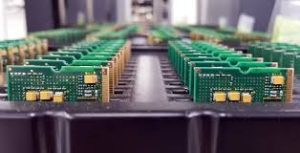
Can pcb circuit board assembly be used in stretchable batteries?
Moreover, the integration of stretchable components into the battery assembly process requires careful consideration of materials compatibility and mechanical properties. Components such as electrodes, electrolytes, and current collectors must exhibit flexibility and stretchability to withstand deformation without impairing battery performance. Additionally, the selection of encapsulation materials and packaging techniques is crucial to protect the battery from environmental factors while maintaining stretchability.
Furthermore, the manufacturing process for stretchable batteries necessitates specialized equipment and techniques to accommodate the unique requirements of flexible substrates and stretchable materials. Traditional PCB fabrication processes, such as etching and drilling, may need to be adapted or replaced with alternative methods compatible with flexible substrates. Additionally, assembly techniques such as roll-to-roll printing and laser patterning offer scalable and cost-effective solutions for mass production of stretchable batteries.
Despite the challenges, recent advancements in stretchable electronics have demonstrated the feasibility of integrating PCB circuit board assembly into stretchable battery designs. Research efforts have yielded stretchable batteries capable of powering wearable devices, medical implants, and flexible electronics with unprecedented versatility and comfort. As the field continues to evolve, collaborations between material scientists, electrical engineers, and manufacturing experts are driving innovation and pushing the boundaries of stretchable battery technology.
In conclusion, while traditional PCB circuit board assembly techniques may not be directly applicable to stretchable batteries, advancements in flexible PCB technology and innovative assembly methods are enabling the integration of PCBs into stretchable battery designs. By overcoming the challenges associated with materials compatibility, assembly techniques, and manufacturing processes, researchers are unlocking new possibilities for stretchable electronics and ushering in a new era of wearable technology. As the demand for flexible and conformable electronics continues to grow, the marriage of PCB assembly and stretchable battery technology holds immense promise for revolutionizing the future of wearable electronics and beyond.