

Role Does Technology Play in an Aesthetics Course
The non-invasive cosmetic treatment market is expanding rapidly, and demand for a highly skilled workforce in this field is at an all time high. The Aesthetics course offered at the University of Manchester is designed for therapists and non-therapists alike, giving participants a range of transferable skills and an opportunity to become a highly sought after practitioner in this niche industry. The programme combines theoretical learning with clinical hands-on clinical bedside teaching sessions, all delivered within brand new, purpose built educational facilities at Salford Royal Foundation Hospital and the University of Manchester in central Manchester.
The Aesthetics course offers lessons for a variety of cosmetic and skincare procedures, and can be taken at varying levels. Entry level courses offer introductory certification, and will teach the theory behind each procedure. More advanced aesthetics training focuses on practical lessons, and can lead to insurance-approved qualifications. The most popular courses include Botox and filler training, dermal filler courses and laser treatment courses. Choosing a course with a reputable provider can help you make sure that you receive comprehensive, quality lessons.
In addition to the technical skills, aesthetics course manchester should also teach you how to deal with client concerns and expectations. This includes understanding how to use the treatments correctly and how to perform them in a safe manner. It should also cover the legal implications of the treatments and the importance of adherence to the recommendations or codes of practice of your professional regulatory body.
What Role Does Technology Play in an Aesthetics Course?
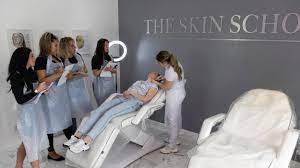
You should look for an aesthetics course that can give you the most hands-on training possible, and allow you to work on live models. This will ensure that you get all the practical experience that you need to become a fully-qualified practitioner. You can also find a range of different training modules on offer, from basic injectables courses to more advanced training in treatments like HIFU and ultrasound technology.
For medical professionals who wish to diversify their careers, an aesthetics course can be a great way to add a lucrative income stream. NHS professionals often have the interpersonal and medical knowledge that is required for this type of work, making it a natural transition.
Many people who have completed an aesthetics course choose to go on and do further advanced training. This can improve their earnings potential and allows them to offer more treatments to clients. In some cases, this can even lead to a new career path altogether.
Those who are seeking a more specialised level of qualification in the field may opt for an MSc in Aesthetic Medicine. This is an intensive part-time postgraduate taught programme that focuses on the science of Aesthetic Medicine and the translational application to the clinical assessment and management of patients with aesthetic problems. The course is run by a world-class faculty, including plastic surgeons, oculoplastic surgeons and dermatologists. The programme is also taught by expert research and development clinicians and a team of leading academics. The curriculum covers the whole spectrum of non-invasive cosmetic procedures, from dermal fillers and liposuction to skin tightening and HIFU technology.