

Shelf Life of PCB Fabrication Assembly
PCBs are essential components of electronic devices, and they help to ensure that the power flow is smooth and uninterrupted. However, they are also subject to environmental variables that can affect their performance and lifespan. These factors can include oxidation, moisture, and temperature. Understanding the different factors that contribute to a PCB’s shelf life can help users better evaluate their needs and determine what is required for their products or applications.
A PCB’s shelf life can be determined by the fabrication and pre-assembly processes that it undergoes. However, a number of other environmental factors can impact its shelf life as well. One of the most important is how long it’s stored before assembling and using. PCBs should be stored in a dry environment to avoid moisture, which can damage the circuit boards and reduce their functionalities. Moisture can also cause corrosion and shorten the PCB’s lifespan, so it’s important to follow the manufacturers’ guidelines for storage and handling.
Other environmental factors that can impact the shelf life of a pcb fabrication assembly include its plating and material composition. Many PCBs are made of copper and require a protective finish to prevent corrosion, oxidation, and other issues. These finishes can be applied by a variety of methods, including etching, spray coating, and immersion tin. These processes can be time consuming, and the length of their shelf life depends on the type of application for the PCB.
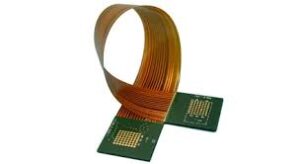
Factors That Affect the Shelf Life of PCB Fabrication Assembly
Another factor that influences a PCB’s shelf life is the assembly process and how it’s handled. During this stage, the PCB must be accurately placed on a board according to a pre-determined layout. It’s then subjected to a reflow soldering process, which heats the surface of the PCB to melt and bond the components in place. This step can be accelerated by using automated machines, known as pick-and-place devices.
Once the assembly process is complete, the PCB must be inspected and tested to ensure that it meets the manufacturer’s quality standards. A quality inspection will identify any defects or errors that may reduce the PCB’s shelf life. It’s then shipped to the customer and used in their application.
If you want to know more about the PCB shelf life, you can contact a qualified PCB fabricator that can provide detailed specs and other information that will help customers understand what to expect from their finished product. This will enable them to make the right decisions on the materials, finishes, and conformal coatings that will work best for their applications.
In addition, a knowledgeable fabricator can help them select the correct components that meet their requirements and budget. This way, they can be confident that the final product will function as intended. In addition, the fabricator will be able to advise them on the optimal shipping and storage conditions for their specific products. This will help them get the most out of their investment. A well-made PCB can be the difference between success and failure for your project.