

Printed circuit assembly
Rework plays a significant role in the realm of printed circuit assembly (PCA) services, serving as a crucial process for rectifying defects and ensuring the quality and reliability of electronic products. In PCA services, rework refers to the process of repairing or modifying assembled circuit boards to correct manufacturing errors, component failures, or design issues that may compromise the functionality or performance of the device. While rework is often seen as a necessary and inevitable part of the assembly process, its effective management is essential for minimizing production costs, meeting quality standards, and satisfying customer requirements.
One of the primary functions of rework in PCA services is to address soldering defects, which are among the most common issues encountered during the assembly process. Solder joints may exhibit defects such as insufficient soldering, solder bridges, tombstoning, or cold solder joints, which can result from factors such as incorrect solder paste deposition, component misalignment, or improper reflow soldering parameters. Rework techniques such as manual soldering, hot air rework, or solder paste reflow are used to correct these defects and ensure the integrity of electrical connections.
Moreover, rework plays a crucial role in resolving component-related issues, such as missing, misplaced, or damaged components, which can occur due to errors in component placement, handling, or inventory management. Components may need to be removed and replaced with new ones, or additional components may need to be added to the printed circuit assembly services to address design changes or functional requirements. Rework techniques such as desoldering, component removal, and rework stencils are employed to modify the assembly as needed without compromising the integrity of the PCB.
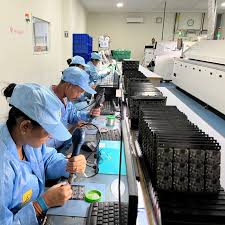
What role does rework play in Printed circuit assembly services?
Furthermore, rework is essential for implementing design changes or product improvements during the assembly process or after the initial production run. As electronic designs evolve and customer requirements change, modifications to the PCB layout, component selection, or assembly process may be necessary to incorporate new features, enhance performance, or address reliability issues. Rework allows manufacturers to adapt to these changes quickly and efficiently, minimizing time-to-market and maximizing product flexibility and competitiveness.
In addition to addressing defects and implementing design changes, rework plays a critical role in salvaging defective or non-compliant PCBs that would otherwise be scrapped. By identifying and repairing defects through rework, manufacturers can salvage valuable materials and components, reduce waste generation, and optimize resource utilization. This not only helps minimize environmental impact but also contributes to cost savings and operational efficiency in PCA services.
However, it is essential to recognize that excessive rework can have negative implications for production efficiency, product quality, and cost-effectiveness in PCA services. Rework adds additional time, labor, and material costs to the assembly process, which can increase manufacturing lead times and reduce profit margins. Moreover, repeated rework cycles may indicate underlying process deficiencies, such as inadequate process controls, training gaps, or equipment malfunctions, which need to be addressed to prevent recurrence of similar issues.
In conclusion, rework plays a multifaceted role in printed circuit assembly services, serving as a critical process for rectifying defects, implementing design changes, salvaging defective PCBs, and ensuring the quality and reliability of electronic products. While rework is often necessary to address issues that arise during the assembly process, effective management and mitigation strategies are essential for minimizing its impact on production costs, lead times, and overall efficiency. By implementing robust quality control measures, continuous improvement initiatives, and proactive problem-solving techniques, manufacturers can optimize the rework process and enhance the competitiveness of their PCA services in the dynamic electronics industry.